.jpg)

Official economic data from any government is always treated with suspicion by anyone with common sense. The US, for example, witnessed some of the most egregious statistical tinkering imaginable under the Biden Administration, not to mention outright lies and propaganda from the establishment media on the health of the economy. To this day no one has been fired (or tarred and feathered) for hiding the reality of the stagflation crisis. Any government or corporate economist that called the threat “transitory” should be stripped of their financial prestige and banished to a cash register at Arby’s.
And let’s not forget Biden’s misrepresentation of the labor market, portraying millions of new jobs for illegal migrants and visa holders as if they were jobs benefiting American citizens. In the US and across the western world, lying about the economy is generally seen by politicians as a temporary solution to secure reelection. However, in China, lying about the economy is treated as a national security imperative. If there’s anything in the world that gives communists a feeling of existential dread, it’s the fear that their ideological enemies will discover proof that communism doesn’t work.
The Trump Administration’s tariffs on China are not the initiator of the nation’s troubles, they are more a bookend to a process of decline that has been ongoing for years.
Overall tariffs on Chinese goods currently sit at 124%, but some goods will be taxed as high as 245%. Trump has given a 1 month exemption on electronic parts and devices, perhaps to offer manufacturers like Apple, Nvidia and Microsoft time to arrange sourcing from alternative vendors. The problem for Chinese manufacturers is not just the tariffs but the uncertainty of timing and sudden changes to policy. They say no one is willing to make a big move on production or shipments until the trade landscape becomes more predictable. This means most Chinese factories are frozen in stasis.
Trump’s tariff actions are widely criticized by the media as erratic or poorly planned, but what they don’t understand is that uncertainty is the real leverage, not the tariffs. What seems like a spur of the moment decision or a sudden capitulation on Trump’s part can be highly effective at throwing foreign governments and corporations off balance. Globalism requires a perpetual status quo, change of any kind is like holy water to a vampire.
Chinese shipments are on standby and orders are frozen. Nothing is moving.
At bottom, China will not be able to survive tariffs on the current scale for long (a single year of 124% tariffs would crush China’s economy beyond repair). The US is 15% of China’s export market, which may not sound substantial but their next largest trading partner (outside of Hong Kong) is Vietnam at 4% of exports. In terms of domestic buying, China is 11% of the global consumer market which is not too shabby, but compared to the US with its 30%-35% global consumer market share there is no chance that the Chinese will be able to fill the void domestically and stay afloat.
But the situation is far worse than most people know…
China has been suffering from a deflationary crisis since 2023. An uptick in exports during the pandemic was offset by the CCP’s draconian lockdowns. This was, essentially, fiscal suicide on the part of the government and China has been struggling ever since. Their property market has imploded, partially due to overbuilding through government subsidized infrastructure programs that flooded the market with poorly constructed homes and buildings that were then left to rot. Corporate defaults have run rampant and left investors with nothing.
There was some optimism that the government’s measures to end the crisis had been working to reinvigorate the market, but on Mar 31st, government-linked developer Vanke reported a record 49.5 billion yuan (S$9.1 billion) annual loss for 2024. It’s the company’s first full-year loss since its initial public offering in 1991, reigniting concerns about the sector and showing just how deep the problem runs.
When these projects do finally see some progress it is often due to dangerously poor construction standards and subpar workmanship; what many now refer to as “Tofu Dreg” buildings.
The deflationary spiral has been eating away at employment and has also resulted in numerous factories refusing to pay their workers on time (or at all). Unpaid wages are leading to frequent protests and a disturbing trend of factory fires. The government is limited in how it can respond to the problem. Stimulus is an option, but China’s overall non-financial debt is well over 300% of GDP already.
China’s attempts to hide the decay from the outside world are becoming less and less effective. With Chinese citizens able to access the internet beyond the “Great Firewall”, more and more videos are being leaked by people within the country who are tired of the misinformation. Again, the CCP views negative economic data as a national security threat and any citizen caught leaking this info could be subject to harsh punishment. Chinese citizens have taken substantial risks to get the truth out there.
It cannot be stressed enough that the global economy is largely a farce, but China is closest to the edge of the cliff in terms of consequences and crisis. The interdependency of globalism has left many nations without the ability to weather a trade dispute and China’s survival is almost entirely based on steady exports to the west and the US in particular.
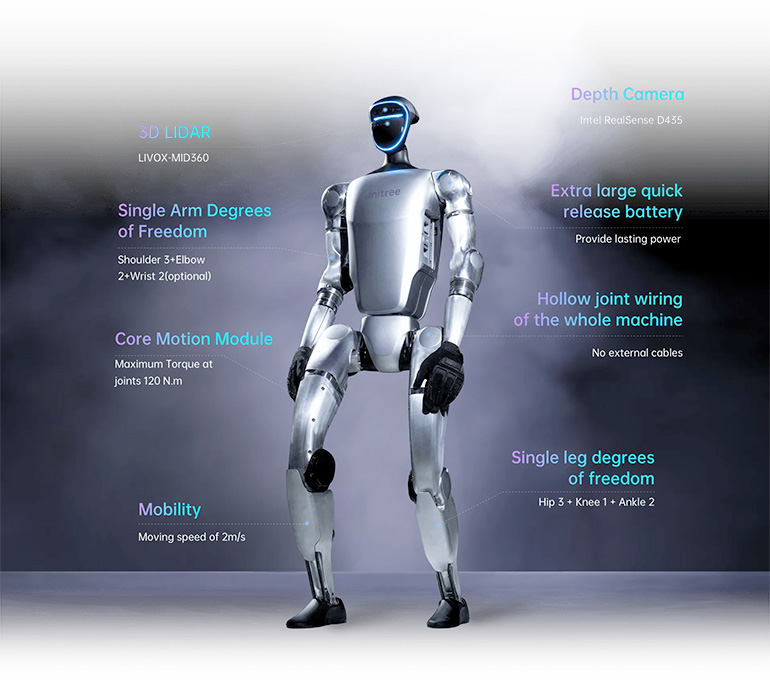
Don’t let high paid TikTok and YouTube influencers fool you with videos of Chinese skyscrapers caked with LED lights or lavish parties with dancing robots. This is not the true China. Underneath the facade is a nation on the brink of disaster.
Also:
AI Overview
China is facing a significant economic downturn, characterized by slowing growth, deflation, a housing crisis, and a rising debt burden. While China's official GDP growth targets have been achieved, many analysts believe the real growth rate is lower and that the economy is facing deeper structural problems. The collapse of the property sector, particularly the default of major developers like Evergrande, has triggered a financial crisis that has spread to creditors, suppliers, and local governments.
Key issues contributing to China's economic crisis:
Property Sector Collapse:
The tightening of borrowing requirements on property developers in 2020 led to a crisis that has severely impacted the sector, which once contributed about a quarter of GDP.
Deflation:
China has experienced deflation for the past two years, with prices falling for the first time since the 1960s.
Debt Crisis:
China's total debt-to-GDP ratio is high, especially at the local government level, with concerns about the ability of local governments to repay their debts.
Slowing Growth:
China's annual economic growth rate has decelerated significantly, with recent reports suggesting that actual growth may be lower than official figures.
Weak Consumption:
After reopening, private consumption has recovered more slowly than anticipated, with retail sales remaining below pre-pandemic levels.
Youth Unemployment:
The youth unemployment rate has risen significantly, with many young people discouraged by poor working conditions.
Possible explanations for the crisis:
Overinvestment in Property and Infrastructure:
China's rapid growth in recent decades has been fueled by significant investment in property and infrastructure, which has led to high debt levels and potential overcapacity.
Government Regulations:
While regulations aimed at controlling the property market were intended to prevent over-heating, they have also contributed to the current downturn.
Global Trade Tensions:
Trade tensions with the United States and other countries have also put pressure on China's economy, particularly its export-oriented industries.
Internal Political Factors:
Some analysts suggest that the leadership's priorities and potential reluctance to implement radical reforms may be hindering the country's ability to address the crisis.
Possible solutions and challenges:
Stimulus Measures:
China has implemented stimulus measures, including monetary policy easing, but these may not be sufficient to address the structural problems.
Fiscal Support:
Experts suggest that China needs to implement fiscal support measures, such as infrastructure spending and tax cuts, to stimulate demand.
Debt Restructuring:
Some suggest that China needs to address its debt problems, including through restructuring local government debt and allowing some defaults.
Economic Liberalization:
China may need to implement deeper economic liberalization measures to encourage private investment and consumption.
In summary, China's economic crisis is multifaceted, with the collapse of the property sector, deflation, and rising debt burdens being major concerns. While China has taken steps to address these issues, the challenges are significant and may require deeper reforms to achieve sustainable and balanced growth.